



Sensor Data Strengthens Production
Sensor Data Strengthens Production
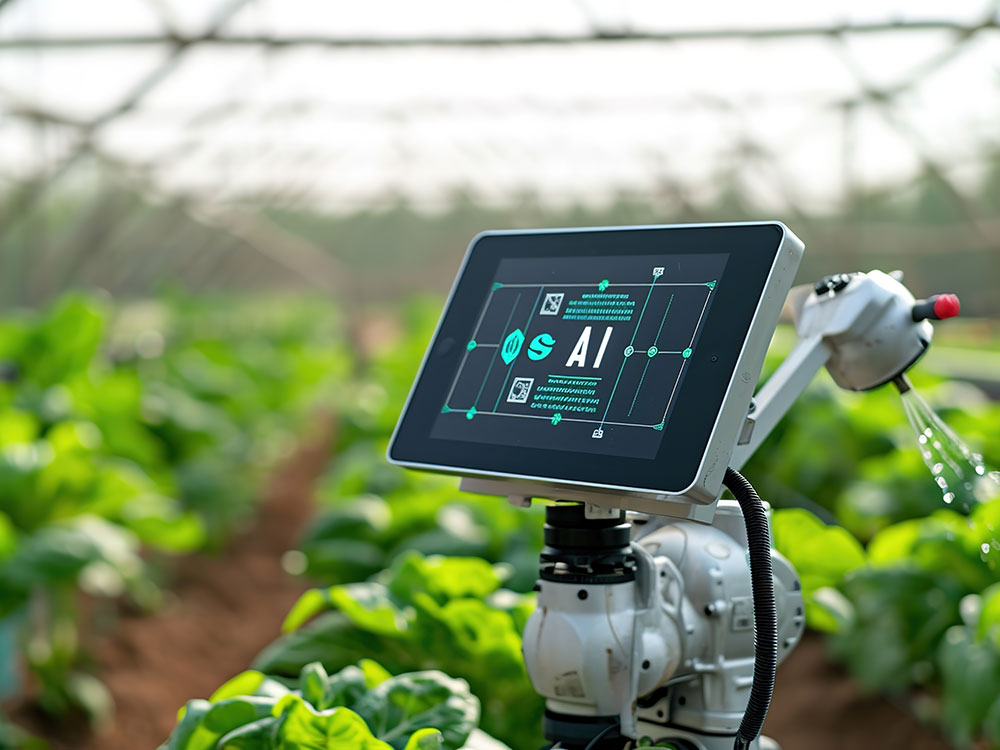
The use of sensor technology in agriculture enables production processes to be managed in a much more precise and controlled way. Many parameters such as soil moisture, temperature, light level, air quality, and plant development are measured instantly through sensors. Thanks to this data, producers can meet the needs of plants at the right time and in the right amount. As a result, productivity increases while resource use is optimized.
Real-time sensor data helps agricultural businesses make more informed decisions. Especially for producers with large cultivation areas, sensors make it possible to manage critical processes such as irrigation management, fertilization planning, and climate control based on data. This minimizes errors in the production process and reduces costs. In addition, access to historical data allows producers to make seasonal comparisons and build a stronger production strategy.
Sensor technology not only improves efficiency but also plays a major role in sustainable agriculture. With advantages such as lower water consumption, balanced fertilizer use, and energy savings, the environmental impact of agriculture is reduced. Being able to digitally monitor every stage of production is becoming one of the most important factors shaping the future of modern agriculture.

